The short version
Both Invisalign and braces move teeth. The difference is how they apply force, how much control they give the dentist, and how much responsibility sits with the patient day to day.
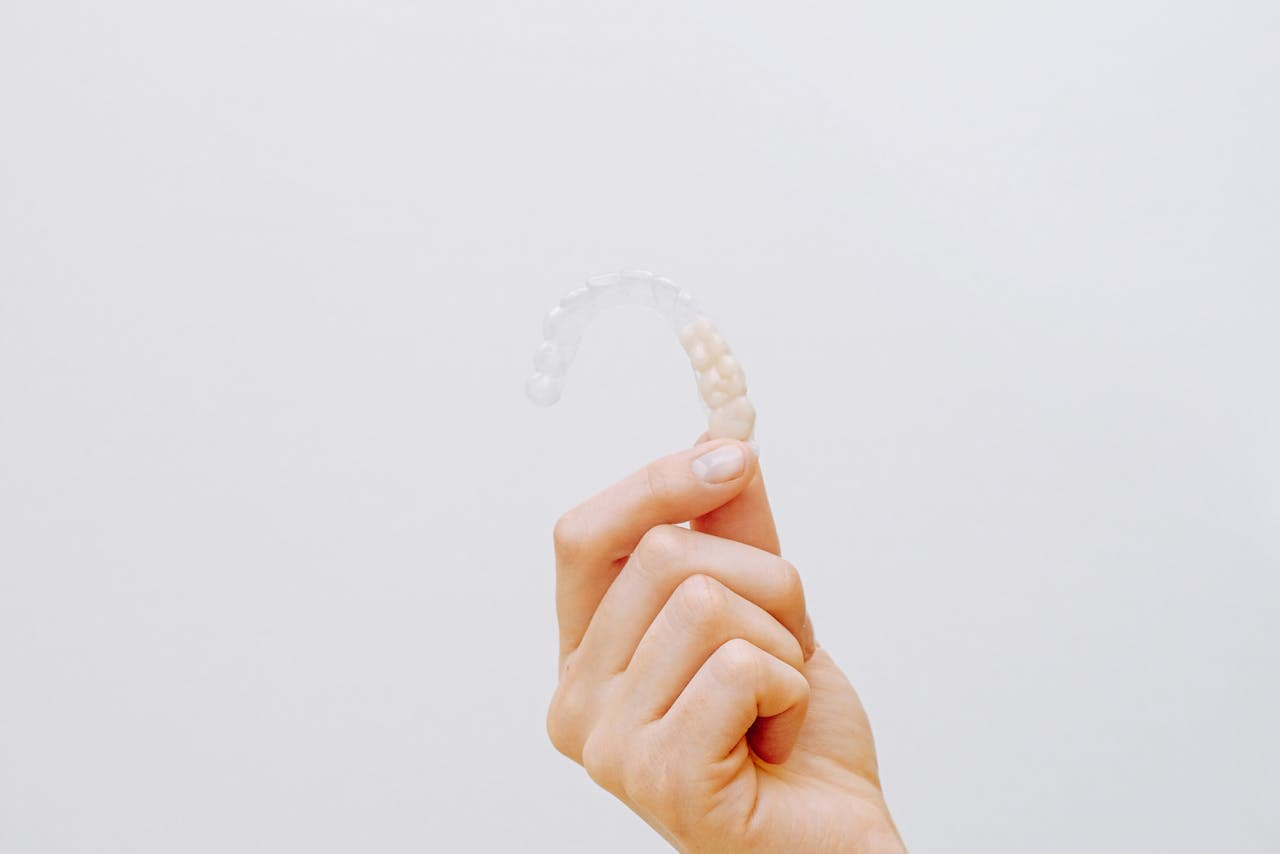
Invisalign uses removable clear aligners that are worn most of the day and changed in sequence. Braces use brackets and wires attached to the teeth. Aligners are more discreet and easier to remove for eating and cleaning. Braces are fixed, which can be helpful for complex movement or for patients who do not want to manage removable trays.
Invisalign vs braces comparison
| Decision point | Invisalign | Braces | | --- | --- | --- | | Appearance | Clear aligners are subtle in everyday conversation | Brackets and wires are visible, though modern options can be more refined | | Eating | Aligners come out for meals | Food choices may need adjustment to protect brackets and wires | | Cleaning | Teeth are brushed and flossed without appliances in place | Cleaning takes more time around brackets and under wires | | Discipline | Requires consistent wear, often 20 to 22 hours per day | Fixed appliance works without remembering to put it back in | | Complexity | Good for selected mild to moderate cases | Often better for complex bite or rotation issues | | Comfort | Pressure is common when switching trays | Soreness can happen after wire changes or adjustments | | Visits | Usually periodic progress checks | Regular adjustment visits are needed |
The table can help frame the conversation, but it cannot replace an exam. Bite depth, crowding, spacing, gum health, tooth shape, and roots all influence the recommendation.
When Invisalign may make sense
Invisalign is often attractive to adults who want alignment treatment without the look of braces. It can work well for mild to moderate crowding, small gaps, relapse after previous orthodontic treatment, and selected bite refinements. Because aligners are removable, they can make brushing, flossing, eating, and special events easier.
The trade-off is compliance. Aligners only work when they are worn as prescribed. If trays are left out for long stretches, teeth may not track properly and treatment can take longer. Patients also need to clean teeth before putting aligners back in after meals, which requires a little planning during busy days.
When braces may be the better tool
Braces are not outdated. They remain a strong option when the teeth need movements that are more difficult for aligners, when bite correction is more complex, or when a fixed appliance is more predictable. Braces can also be helpful for patients who might forget aligners or remove them too often.
The main trade-offs are visibility and cleaning. Brackets and wires require more attention with brushing and flossing, and certain sticky or hard foods can cause issues. Regular general dentistry visits remain important during orthodontic treatment so the gums and enamel stay healthy.
What your assessment should include
A good alignment consultation should look beyond whether teeth are straight. The dentist should check gum health, cavities, enamel wear, jaw function, bite pattern, spacing, crowding, and any restorations that could affect movement. Photographs, scans, and X-rays may be recommended depending on the case.
You should leave with a clear explanation of whether Invisalign, braces, limited cosmetic treatment, or no treatment is the most sensible option. If veneers, bonding, or whitening are also on your mind, sequencing matters: teeth often need to be moved before cosmetic work is planned.
How to make the decision
Choose the option that fits the clinical problem and your real life. If discretion and removability matter, and your case is suitable, Invisalign may be appealing. If the bite is more complex or you prefer a fixed appliance, braces may be more reliable.
Neither option is automatically better. The better treatment is the one that can move your teeth safely, protect gum and tooth health, and be maintained with retainers after active treatment ends.