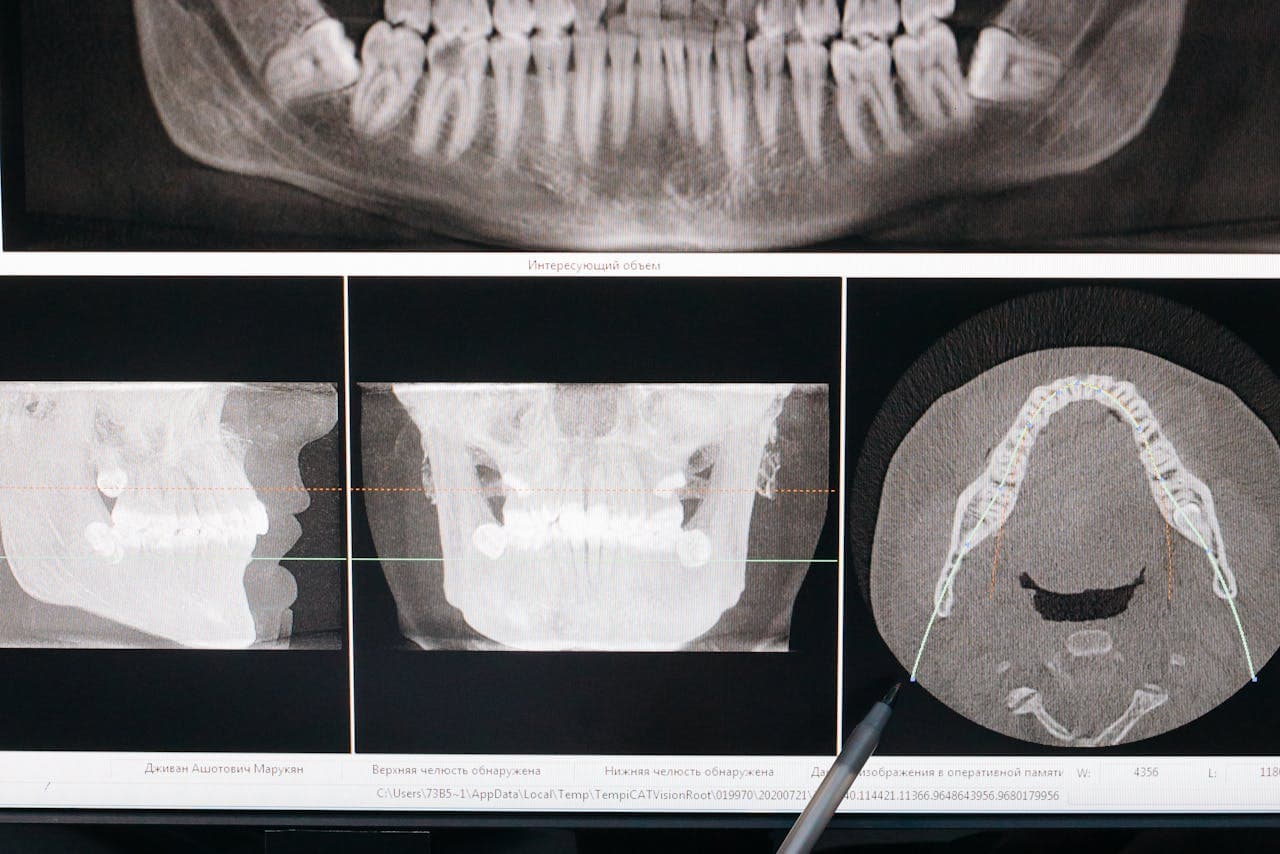
What dry socket is
After a tooth is removed, a blood clot forms in the empty socket. That clot is the foundation of healing: it protects the exposed bone and nerve endings underneath and provides the scaffold the new tissue grows into.
Dry socket — alveolar osteitis — is what happens when that clot is lost or breaks down before the site has healed over. The bone underneath is left exposed to air, food, and saliva. Bone is not built to be exposed, which is why the pain is disproportionate to how the site looks.
It is not an infection. It is a healing failure. That distinction matters, because it determines the treatment.
Dry socket or normal healing? The timing tells you
Some discomfort after an extraction is expected. The useful question is not how much it hurts, but which direction it is going.
| | Normal healing | Dry socket | | --- | --- | --- | | When it peaks | Day one to two, then eases | Starts day two to four, then worsens | | Trend | Steadily improving | Worse than yesterday | | Character | Sore, localised, manageable | Deep, throbbing, constant | | Spread | Stays around the site | Radiates to ear, jaw, temple, same side | | Painkillers | Take the edge off adequately | Barely touch it | | Taste or odour | Nothing unusual | Often unpleasant | | The socket | Dark clot visible | Looks empty; whitish bone may show |
The single most reliable signal is pain that is escalating three days after an extraction. Normal healing does not do that. If over-the-counter painkillers were working on day one and are not working on day three, that is worth a phone call.
When it starts
Most cases begin two to four days after the extraction, occasionally up to about day five.
It rarely appears within the first twenty-four hours. Pain on the day itself is almost always the local anaesthetic wearing off, which is expected and not a complication.
What causes it
The clot is either physically dislodged or breaks down before the site is ready.
The strongest risk factor is smoking, and it operates two ways: the suction of drawing on a cigarette can pull the clot out mechanically, and nicotine reduces blood supply to the healing site. Vaping carries the same suction problem.
Other contributors:
- Using a straw — the same suction mechanism
- Vigorous rinsing or forceful spitting in the first days
- Difficult or surgical extractions, where the site is more traumatised
- Lower wisdom teeth specifically — the most common site by a clear margin
- A previous episode of dry socket
- Oral contraceptives, which have a documented association
- Pre-existing infection or poor hygiene around the tooth before removal
Treatment: quick, and it works
This is the good news, and the reason not to endure it at home.
The socket is gently irrigated
Debris and food particles are flushed from the site. This is not the painful part — the site is usually numbed or the irrigation itself is well tolerated.
A medicated dressing is placed
A dressing containing a soothing agent such as eugenol is packed into the socket. This does most of the work, and relief typically follows within an hour or so.
The dressing is changed as needed
Depending on how the site responds, it may be changed once or twice over the following days until the pain settles and healing is established.
Pain relief and review
We go through what to take and when, and check that nothing else is contributing.
Antibiotics are generally not indicated. Dry socket is not an infection, and treating it with antibiotics addresses a problem that is not there. If there are genuine signs of infection alongside it, that is assessed separately — our guide to antibiotics before dental treatment covers when they are and are not appropriate in dentistry.
Left alone, dry socket does eventually resolve as the site heals over, typically within one to two weeks. There is simply no reason to spend those weeks in pain when treatment is this straightforward.
Preventing it
The first forty-eight hours matter more than everything else combined.
Do not:
- Smoke or vape — this is the big one, and even a few days makes a real difference
- Use a straw
- Spit forcefully. For the first day, let liquid fall from your mouth into the sink instead
- Rinse vigorously
- Poke at the site with your tongue or a finger
- Eat crunchy, seedy, or very hot food on the first day
Do:
- Bite gently on the gauze as instructed to help the clot establish
- Stick to soft, cool food for the first day
- Keep brushing the rest of your mouth normally, avoiding the site itself
- Start gentle warm salt-water rinses after the first twenty-four hours
- Take pain relief as advised rather than waiting for pain to build
- Rest, and keep your head slightly elevated the first night
If you smoke and are having an extraction, the days either side are the ones that count. Say so beforehand — it changes the aftercare advice we give you.
When it is something more serious
Dry socket is painful but not dangerous. Infection is a different matter. Contact a dentist promptly, or go to an emergency department, if you have:
- Fever or feeling generally unwell
- Swelling that is spreading rather than settling
- Pus from the socket
- Difficulty swallowing or opening your mouth
And go to the nearest emergency department or call 911 for facial swelling affecting breathing or swallowing, or swelling spreading toward the eye or neck. Our guide to what counts as a dental emergency sets out how to judge urgency.
If you are in Richmond Hill
If you have had a tooth out and the pain is getting worse rather than better, call us. Say when the extraction was and how the pain has changed day by day — that is the information that tells us how urgently you need to be seen. Dry socket is treated quickly and the relief is immediate, so it is not a call worth putting off.
Our wisdom teeth page covers what removal involves and the aftercare that prevents this in the first place, and our emergency dentist page explains how urgent concerns are triaged here.