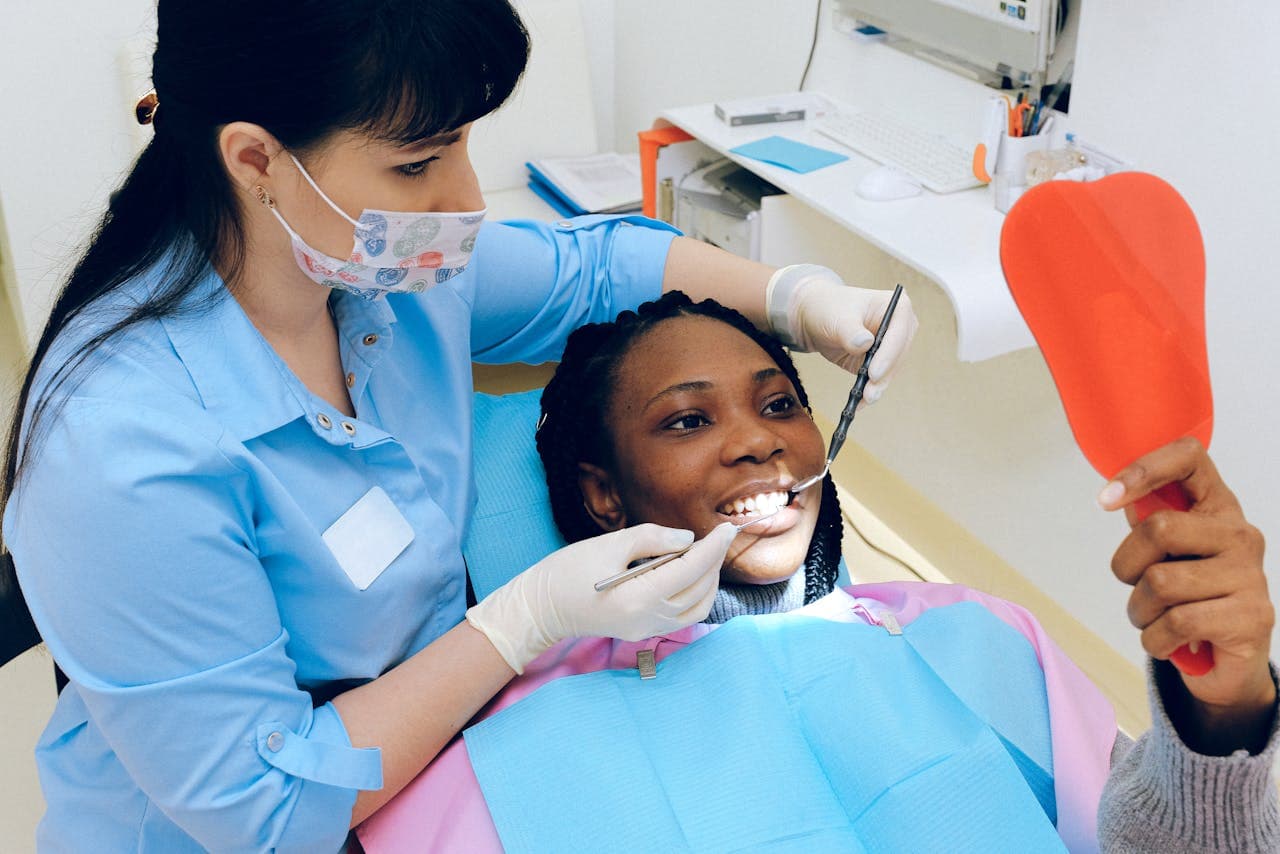
First steps when a crown comes off
A dental crown protects a tooth that has been weakened, heavily restored, cracked, or treated with root canal therapy. When it comes off, the tooth underneath may be sensitive and more vulnerable to fracture or decay. Even if there is no pain, it should not be ignored.
Start by finding the crown if possible. Rinse it gently with water and place it in a small bag or container. Avoid chewing on that side. If the tooth has a sharp edge, orthodontic wax from a pharmacy may help protect your tongue or cheek until you can be seen.
What not to do
Do not use household glue, superglue, craft glue, or other non-dental adhesives. These products can irritate tissues, damage the crown or tooth, and make proper dental repair harder. Do not force the crown back on if it does not seat easily. Do not keep chewing on the tooth to "test" it.
If you use temporary dental cement from a pharmacy, treat it as a short-term measure only. It is not a substitute for a dental assessment, and it may not be appropriate if the crown does not fit cleanly or the tooth is broken.
Can a lost crown be recemented?
| Finding at the visit | What it may mean | Possible next step | | --- | --- | --- | | Crown fits well and tooth is sound | The cement may have failed | Recementing may be possible | | Decay under the crown | The tooth shape has changed | Decay removal and a new restoration may be needed | | Tooth is cracked or broken | The tooth may not support the old crown | A new crown, build-up, root canal assessment, or another plan may be discussed | | Crown no longer fits | The bite, cement space, or tooth has changed | Replacement is often considered | | Pain or swelling is present | The nerve or surrounding tissues may be involved | Emergency diagnosis and possible root canal therapy may be needed |
The dentist needs to examine both the crown and the tooth. The same crown can sometimes be reused, but only if it still fits properly and the tooth underneath is healthy enough to support it.
If the crown cannot be recemented, the next step is a new one. Our guide to replacing a dental crown covers how the old crown is removed, what the two appointments involve, and how to make the replacement last.
Why crowns come loose
Crowns can loosen for several reasons. Cement can wash out over time. Decay can develop at the edge of a crown if plaque sits there consistently. A heavy bite, grinding, or chewing hard foods can stress the restoration. Sometimes the tooth underneath fractures, especially if it was already heavily filled or had previous root canal treatment.
The reason matters because the treatment is different in each case. A simple recement is very different from rebuilding a tooth, making a new crown, or treating an infection.
How the dentist may repair it
During an appointment, the dentist may check the bite, examine the crown margins, look for decay or fracture, and take an X-ray when needed. If the crown and tooth are suitable, the crown may be cleaned and recemented. If the tooth needs more support, a build-up or new crown or bridge may be recommended.
If pain, swelling, or deep decay is present, emergency dentistry focuses first on diagnosis and comfort. The final restoration plan comes after the dentist understands whether the tooth can predictably support a crown again.
How to reduce the chance of another lost crown
Keep regular check-ups so crown edges can be monitored. Brush and floss around the crown margin every day. If you clench or grind, ask whether a night guard could protect your teeth and restorations. Avoid using crowned teeth to bite hard objects such as ice, pens, or packaging.
Crowns are strong, but they are not maintenance-free. A few simple habits and timely dental care can help protect the tooth underneath for as long as possible.